Signs Your Pool Needs Professional Attention Before Problems Escalate
Pools offer a serene escape and a centerpiece for recreation, but subtle issues can quietly compromise water quality, equipment, and safety. Even vigilant owners can overlook small problems that grow into larger, expensive challenges. Recognizing when a pool requires professional intervention is crucial, particularly in areas like pool cleaning in Pinellas County FL, where conditions such as humidity, saltwater systems, or frequent rainfall can accelerate wear and chemical imbalances.
Many pool owners assume minor issues—slight cloudiness, uneven water levels, or filter noises—can be corrected through basic maintenance. While some problems are manageable, others signal deeper structural or chemical challenges that require professional expertise. Ignoring these signs can lead to costly repairs, unsafe swimming conditions, and long-term equipment damage.
1. Persistent Cloudy or Discolored Water
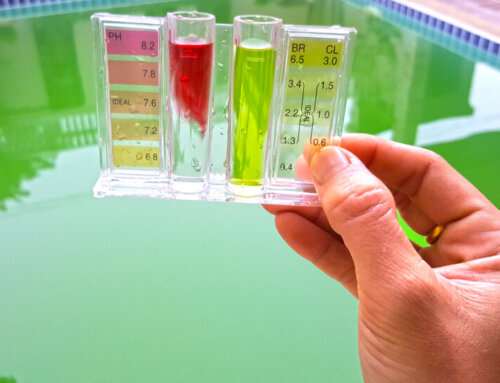
A pool’s water should be clear and inviting. Cloudiness or unusual coloration often points to imbalances in pH, chlorine, or alkalinity. While minor shifts may be corrected with standard chemical adjustments, persistent cloudiness indicates a deeper problem, such as:
- Clogged filters are unable to remove fine particles
- High levels of dissolved metals or minerals
- Early algae growth
Professional technicians can perform advanced water testing, identify hidden contaminants, and restore clarity safely without risking swimmer health.
2. Rapid Algae or Biofilm Growth
Even with consistent maintenance, pools occasionally experience algae blooms. Frequent or recurring algae growth, including green, black, or mustard-colored algae, often signals:
- Poor circulation in hidden areas
- Insufficient filtration
- Incorrect chemical dosing over time
Algae can damage pool surfaces and equipment if left unchecked. Professionals can treat stubborn infestations, adjust chemical balance, and recommend preventative measures tailored to local conditions.
3. Equipment Malfunctions and Unusual Noises
Pumps, heaters, and filtration systems are the heart of a pool’s operation. Any unusual sounds, inconsistent operation, or visible leaks should never be ignored. Common warning signs include:
- Grinding or whining from pumps
- Inconsistent water flow or pressure drops
- Heater failure or erratic temperature changes
- Cracks in pipes or fittings
Addressing these issues promptly can prevent major damage, extend equipment life, and maintain optimal energy efficiency.
4. Sudden Increase in Chemical Use
If you notice that chlorine, algaecide, or pH adjusters must be added more frequently than normal, this may indicate underlying problems, such as:
- Leaks are reducing chemical levels
- Organic matter accumulation
- Unseen algae growth
Instead of repeatedly dosing chemicals, a professional evaluation can pinpoint the root cause, ensuring balanced, stable water chemistry.
5. Stains or Surface Damage
Discoloration or staining on the pool floor and walls often suggests metal contamination, algae, or calcium buildup. Ignoring these marks can lead to permanent surface damage.
Common types of stains include:
- Rust-colored marks from iron or copper
- Green or black stains from algae
- White, chalky deposits from calcium scaling
Professionals have specialized treatments to safely remove stains without harming pool finishes or creating further chemical imbalances.
6. Water Loss or Unexplained Evaporation
Pools naturally lose water due to evaporation, but significant or sudden drops may indicate leaks in plumbing, skimmers, or the pool shell. Signs of water loss include:
- Water levels are consistently lower than normal
- Damp areas around pool equipment
- Visible cracks in concrete or tile
A leak can strain pumps and filtration systems while wasting water and chemicals. Professionals can locate and repair leaks with precision, preventing structural damage.
7. Rough or Damaged Pool Surfaces
Rough, peeling, or cracked surfaces on plaster, concrete, or fiberglass not only affect aesthetics but also swimmer safety. Causes often include:
- Chemical imbalance causing etching
- Physical wear over time
- Poor initial installation
Early intervention from a professional can restore surfaces, prevent injuries, and preserve long-term integrity.
8. Persistent Odors
A strong chemical smell, often described as “chlorine odor,” may indicate:
- High combined chlorine levels (chloramines)
- Poor water circulation
- Contamination from organic debris
Persistent odors can cause eye or skin irritation. Professionals can perform thorough water treatment and optimize circulation and filtration to eliminate smells effectively.
9. Inconsistent Heating or Circulation
Pools with heaters or circulation systems may experience uneven temperatures or weak flow due to:
- Blocked or worn-out pump components
- Inaccurate thermostat readings
- Partially closed valves
Professional inspection ensures systems are balanced, energy-efficient, and functioning correctly to provide a comfortable swimming environment.
10. Visible Debris Accumulation Despite Cleaning
Even with regular skimming and vacuuming, some pools develop debris accumulation in corners, steps, or around drains. This can indicate:
- Poor water flow or circulation zones
- Filter inefficiency
- Hidden leaks are drawing debris
Professionals can assess circulation patterns, clean inaccessible areas, and optimize equipment placement to prevent recurring buildup.
Share this article
Related Posts

A quick overview of the topics covered in this article.