How to Raise pH in Pool Water Without Causing Bigger Problems?
A swimming pool can look clear and still feel wrong. Eyes sting, metal fixtures dull, and surfaces start to etch even though the water appears clean. Low pH is often the hidden cause. When pH drops below the ideal range, water becomes acidic, creating discomfort for swimmers and long-term damage to pool components. Raising pH is not complicated, but doing it carelessly can create new imbalances that are harder to correct later.
Pool owners sometimes first notice low pH during routine testing or after heavy rainfall, frequent use, or aggressive chemical treatment. In humid coastal regions, pool chemistry can shift faster than expected, which is why many homeowners compare their own efforts with professional pool cleaning services seminole fl when readings seem unstable. Even so, pH correction is manageable with a calm, methodical approach and a clear sense of how water chemistry behaves.
What pH Really Means for Pool Water?
pH measures how acidic or basic water is on a scale from 0 to 14. Pool water should stay between 7.2 and 7.6. Anything below that range increases acidity, while higher numbers indicate basic conditions.
Low pH affects more than comfort. It can:
- Irritate the skin and eyes
- Corrode heaters, pumps, and ladders
- Shorten the life of liners and plaster
- Reduce the effectiveness of chlorine
Because pH interacts with other chemical levels, correcting it early prevents a cascade of issues.
Why Pool pH Drops in the First Place?
Low pH rarely happens without a reason. Several factors quietly push levels downward over time.
Common causes include:
- Heavy rain, which is naturally acidic
- A frequent swimmer loads the body with oils and sweat
- Overuse of chlorine or shock treatments
- Poor aeration and circulation
- Use of certain sanitizers that lower pH as they dissolve
Recognizing the source helps prevent repeat problems after correction.
Signs That Your Pool pH Is Too Low
Test results tell the story, but physical clues often appear first. Pool owners may notice changes before grabbing a test kit.
Watch for:
- Burning eyes after swimming
- Dry, itchy skin
- Faded swimsuits
- Rust-colored stains near metal fittings
- Etching or rough patches on plaster
When these signs show up together, pH is often below the safe range.
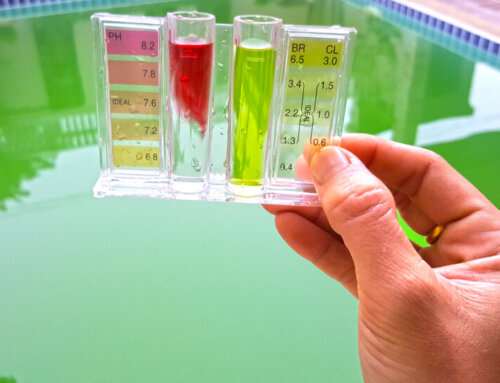
Testing Before Making Adjustments
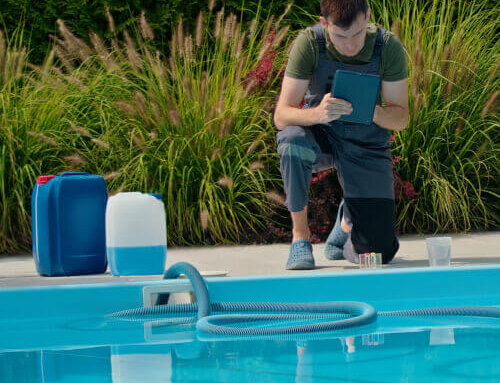
Never adjust pH without testing. Guesswork leads to overshooting, which creates high pH and cloudy water.
Use a reliable test method:
- Liquid test kits offer precision
- Test strips provide quick snapshots
- Digital testers add convenience but require calibration
Test at least twice before adjusting, ideally from different parts of the pool, to confirm consistency.
The Relationship Between pH and Alkalinity
pH and total alkalinity work together. Alkalinity acts as a buffer, stabilizing pH and preventing rapid swings.
If alkalinity is low, pH will drop again even after adjustment. If alkalinity is high, pH may resist change.
Before raising pH, check alkalinity:
- Ideal alkalinity range: 80–120 ppm
- Adjust alkalinity first if it falls outside this range
Balancing alkalinity first makes pH correction smoother and more predictable.
Safe Ways to Raise Pool pH
Several products and techniques raise pH effectively. The best option depends on pool size, current chemistry, and how quickly correction is needed.
Common pH-raising methods include:
- Soda ash (sodium carbonate): Raises pH quickly with minimal effect on alkalinity. Best for sharp drops.
- Baking soda (sodium bicarbonate): Raises alkalinity more than pH. Useful when both are low.
- Aeration: Increases pH naturally by releasing carbon dioxide. Ideal for gradual correction.
Each method serves a purpose, and choosing the right one avoids overcorrection.
Using Soda Ash the Right Way
Soda ash works fast, which makes it popular for correcting acidic water. Speed, however, requires careful dosing.
Steps for proper use:
- Calculate pool volume accurately
- Follow dosage instructions based on test results
- Pre-dissolve soda ash in a bucket of water
- Pour slowly around the pool perimeter
- Keep the pump running during application
Retest after several hours before adding more. Adding too much creates cloudy water and high pH.
When Baking Soda Makes More Sense
Baking soda is gentler and better suited for combined pH and alkalinity issues.
Use baking soda when:
- pH is slightly low
- Alkalinity is below 80 ppm.
- Water chemistry fluctuates often.
Add it gradually, retesting after each application. Baking soda is forgiving but still benefits from patience.
Aeration as a Chemical-Free Option
Aeration raises pH by allowing carbon dioxide to escape the water. It does not affect alkalinity significantly, making it useful when alkalinity is already balanced.
Ways to aerate pool water:
- Aim the return jets upward
- Run water features continuously
- Use air compressors or fountains
- Encourage splashing during supervised use
Aeration takes longer but avoids adding chemicals altogether.
How Much pH Increaser Is Too Much?
Overcorrection happens easily when pool owners chase numbers. Adding large doses all at once often leads to high pH, scale formation, and cloudy water.
Avoid these mistakes:
- Adding chemicals without retesting
- Correcting pH and alkalinity simultaneously without planning
- Pouring products directly onto surfaces
- Ignoring manufacturer dosage guidelines
Small adjustments produce stable results.
Timing Matters More Than Many Realize
Adding a pH increaser at the wrong time reduces effectiveness.
Best practices:
- Add chemicals during calm water circulation
- Avoid adding during heavy swimming activity
- Allow several hours between adjustments
- Test the following day again.
Consistency beats speed when it comes to pool chemistry.
Special Considerations for Different Pool Types
Not all pools respond the same way to pH changes.
- Saltwater pools may experience a slower pH rise due to constant chlorine generation
- Vinyl-lined pools need careful chemical dilution to prevent fading
- Plaster pools show damage faster when the pH stays low
Adjust methods slightly based on the surface and sanitation system.
Weather and Seasonal Effects on pH
Environmental conditions quietly influence water chemistry.
Factors that lower pH include:
- Frequent rainfall
- High bather load during warm months
- Falling leaves and organic debris
Monitoring pH more often during these periods reduces surprises.
Creating a Stable Weekly Routine
Consistency prevents most pH issues. A simple weekly routine keeps levels predictable.
A practical rhythm:
- Test pH and chlorine twice a week
- Check alkalinity once a week
- Brush walls to prevent buildup
- Clean skimmer baskets regularly
These habits reduce chemical demand and extend equipment life.
When pH Refuses to Stay Up
Persistent low pH signals a deeper issue.
Possible reasons:
- Alkalinity remains too low
- Excessive sanitizer use
- Hidden leaks introduce fresh water
- Equipment malfunctions affecting circulation
Investigating the cause saves time and chemical costs over the long term.
Safety While Handling pH Products
Even common pool chemicals require care.
Basic precautions:
- Wear gloves and eye protection
- Store products in a dry, shaded area
- Never mix chemicals directly
- Add chemicals to water, not water to chemicals
Safe handling protects both people and pool surfaces.
How Long Does It Take to See Results?
Most pH adjustments show measurable changes within hours, though full stabilization may take a day or two.
Patience matters because:
- Water mixes gradually
- Filters distribute chemicals evenly
- Retesting too soon can mislead
Wait before making additional adjustments.
Balancing pH Without Obsession
Perfect numbers are less important than stable ranges. Chasing exact decimals leads to constant chemical use and frustration.
Aim for:
- pH between 7.2 and 7.6
- Alkalinity between 80 and 120 ppm
- Clear, comfortable water
Stability supports swimmer comfort and equipment health.
Conclusion
Low pH is a quiet troublemaker that affects comfort, safety, and longevity of pool systems. Raising it correctly requires testing, restraint, and awareness of how chemistry pieces fit together. Whether using soda ash, baking soda, or natural aeration, steady adjustments produce lasting balance. With regular monitoring and thoughtful responses, pool water stays inviting without constant correction.
Share this article
Related Posts

A quick overview of the topics covered in this article.
- What pH Really Means for Pool Water?
- Why Pool pH Drops in the First Place?
- Signs That Your Pool pH Is Too Low
- Testing Before Making Adjustments
- The Relationship Between pH and Alkalinity
- Safe Ways to Raise Pool pH
- Using Soda Ash the Right Way
- When Baking Soda Makes More Sense
- Aeration as a Chemical-Free Option
- How Much pH Increaser Is Too Much?
- Timing Matters More Than Many Realize
- Special Considerations for Different Pool Types
- Weather and Seasonal Effects on pH
- Creating a Stable Weekly Routine
- When pH Refuses to Stay Up
- Safety While Handling pH Products
- How Long Does It Take to See Results?
- Balancing pH Without Obsession
- Conclusion