Clear Water Confidence: Making Sense of pH and Chlorine Balance
Pool water does not stay clear by chance. Behind every inviting pool lies a delicate chemical balance that protects swimmers, surfaces, and equipment. In Florida, heat, humidity, rain, and frequent use constantly push that balance off center. Many pool issues—cloudy water, algae, eye irritation, surface damage—trace back to two core elements: pH and chlorine. When these two work together, water stays safe and visually appealing. When they clash, problems multiply fast. That is why many homeowners rely on reliable pool cleaning services in Pinellas County FL, to keep chemistry stable when conditions shift.
Why Pool Chemistry Matters More Than Appearance?
Clear water does not always mean safe water. Harmful bacteria can exist even when a pool looks clean. At the same time, water that irritates eyes or skin may still appear sparkling.
Balanced chemistry ensures:
- Effective sanitation
- Comfortable swimming conditions
- Protection for pool finishes
- Longer equipment life
pH and chlorine sit at the center of this balance, acting as both protectors and potential troublemakers.
pH: The Silent Influencer
pH measures how acidic or alkaline water is. Pool water operates best within a narrow range, typically between 7.2 and 7.6. Even slight movement outside that window affects everything else in the pool.
What happens when pH drifts low?
- Water becomes acidic
- Metal components corrode
- Plaster and grout wear faster
- Eye and skin irritation increase
What happens when pH climbs high?
- Chlorine loses effectiveness
- Scale forms on surfaces
- Water turns cloudy
- Filters clog more quickly
Florida pools experience frequent pH swings due to heat, evaporation, rain, and swimmer activity. Reliable pool cleaning services in Pinellas County, FL, often focus on pH stability before adjusting any other chemical.
Chlorine: The Primary Defender
Chlorine sanitizes water by killing bacteria, viruses, and algae. Its effectiveness depends heavily on pH levels. When pH rises too high, chlorine remains present but loses much of its sanitizing power.
Chlorine works by:
- Oxidizing contaminants
- Breaking down organic waste
- Preventing algae growth
Ideal free chlorine levels usually range from 1 to 3 parts per million, depending on pool type and stabilizer use.
How pH and Chlorine Affect Each Other?
These two elements share a direct relationship. Chlorine performs best when pH stays within the proper range. As pH increases, chlorine becomes less active.
For example:
- At pH 7.2, chlorine works efficiently
- At pH 7.8, chlorine effectiveness drops sharply
This means a pool can show acceptable chlorine readings yet still struggle with sanitation if pH runs high. This interaction explains why experienced technicians from reliable pool cleaning services in Pinellas County, FL, always test both values together rather than separately.
Florida Conditions That Disrupt Chemistry
Florida’s climate creates constant chemical pressure.
Common influences include:
- High temperatures accelerate chemical reactions
- Frequent rainfall dilutes the sanitizer
- Heavy sunlight breaks down chlorine
- Swimmer load introducing oils and sweat
These factors demand regular testing and adjustment, even during cooler months.
Stabilizer and Its Supporting Role
Cyanuric acid, often called a stabilizer, protects chlorine from sunlight degradation. Without it, chlorine burns off quickly under the Florida sun.
Balanced stabilizer:
- Extends chlorine life
- Reduces chemical costs
- Prevents rapid sanitizer loss
Too much stabilizer, however, weakens chlorine effectiveness. This delicate balance highlights why reliable pool cleaning services in Pinellas County, FL, emphasize precision rather than guesswork.
Signs Chemistry Is Out of Balance
Pools often communicate chemical problems through subtle changes.
Watch for:
- Burning eyes or dry skin
- Strong chemical odors
- Slippery surfaces
- Persistent cloudiness
- Algae are appearing despite chlorine presence
These signals usually point back to a pH or chlorine imbalance rather than equipment failure.
Testing: Frequency Over Intensity
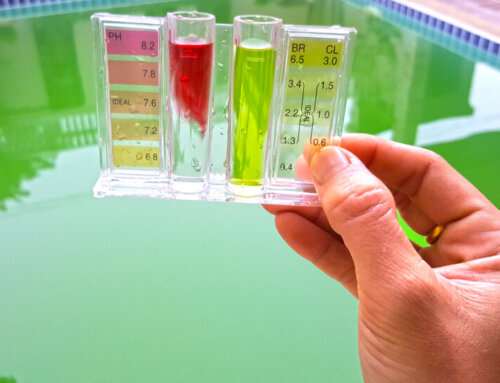
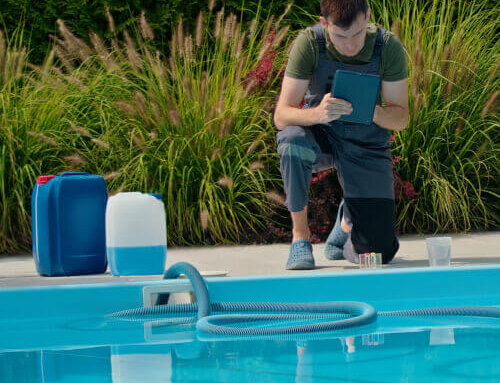
Consistent testing keeps chemistry predictable. In Florida, testing two to three times per week is common, with additional checks after storms or heavy use.
Testing methods include:
- Liquid reagent kits
- Test strips
- Digital testers
Each method has strengths, but consistency matters more than tool choice.
Adjusting pH Without Overcorrecting
Rapid pH changes stress water systems. Small, measured adjustments work best.
When pH is high:
- Use acid in controlled doses
- Allow circulation before retesting
When pH is low:
- Add alkalinity increaser gradually
- Retest after full circulation
Reliable pool cleaning services in Pinellas County, FL often spread adjustments over multiple visits to maintain stability.
Chlorine Types and Their Impact
Not all chlorine behaves the same way.
Common forms include:
- Liquid chlorine for quick action
- Tablets for steady release
- Granular chlorine for targeted treatment
Each affects pH differently. Liquid chlorine tends to raise pH, while tablets can lower it over time. Choosing the right form depends on pool design and usage.
Shock Treatments: Purpose and Limits
Shocking oxidizes contaminants but does not replace the daily balance. Overuse often masks underlying issues.
Shock works best:
- After heavy pool use
- Following storms
- When chloramines build up
Routine shocking without addressing pH leads to recurring problems.
Algae and Chemistry Connection
Algae growth often signals weak sanitation rather than a lack of chlorine. Poor pH balance allows algae to resist treatment.
Preventive chemistry:
- Maintains steady chlorine activity
- Limits nutrient availability
- Reduces the need for algaecides
This proactive approach forms the foundation of service plans used by reliable pool cleaning services in Pinellas County, FL.
Equipment Protection Through Chemistry
Water chemistry affects more than swimmers. Pumps, heaters, and filters suffer when the balance slips.
Unbalanced water can:
- Corrode heat exchangers
- Scale filter grids
- Damage pump seals
Balanced pH and chlorine protect expensive components and extend system life.
Seasonal Myths That Cause Trouble
Many owners reduce attention during cooler months, assuming chemistry stabilizes naturally. Florida pools remain chemically active year-round.
Seasonal misconceptions include:
- Lower chlorine demand in winter
- Stable pH during cooler weather
- Reduced algae risk
In reality, sunlight and heat persist enough to keep chemistry dynamic.
When Professional Oversight Makes Sense
Some pools develop persistent chemical instability due to design, environment, or usage patterns.
Professional support helps when:
- Readings fluctuate despite adjustments
- Algae returns repeatedly
- Chlorine demand remains unusually high
- Surfaces show early damage
Reliable pool cleaning services in Pinellas County, FL, bring experience and diagnostic tools that identify hidden contributors, such as circulation issues or filtration inefficiencies.
Building a Chemistry-Friendly Routine
Daily awareness supports long-term balance without overwhelming effort.
Helpful habits include:
- Visual water checks
- Monitoring equipment pressure
- Prompt debris removal
- Consistent testing schedule
These habits keep pH and chlorine working together rather than competing.
Comfort and Confidence for Swimmers
Balanced water feels different. Swimmers notice softer water, reduced odor, and clearer visibility.
Benefits include:
- Less skin dryness
- Reduced eye irritation
- Improved overall enjoyment
Comfort often signals chemistry success before test results confirm it.
Long-Term Value of Balanced Chemistry
Proper chemistry protects investment as much as enjoyment.
Long-term advantages include:
- Fewer resurfacing needs
- Lower chemical consumption
- Reduced repair costs
- Better resale appeal
Consistency pays dividends over time.
Conclusion
Pool water chemistry does not need to feel intimidating. pH and chlorine form a partnership that rewards steady attention rather than drastic action. Florida’s climate challenges that balance daily, making consistency the most valuable tool available.
When supported by reliable pool cleaning services in Pinellas County, FL, pool owners gain confidence that chemistry remains stable even when weather and usage fluctuate. Clear, comfortable water is not accidental; it is the result of pH and chlorine working in harmony, day after day.
Share this article
Related Posts

A quick overview of the topics covered in this article.