Pool Hygiene Tips: Why is Weekly Cleaning Important
Pool hygiene is not defined by how clear the water looks on a sunny afternoon. It is shaped by invisible factors such as bacteria levels, chemical balance, circulation efficiency, and how quickly contaminants are removed. A pool can sparkle and still be unhygienic beneath the surface. That is why hygiene-focused care depends more on consistency than appearance.
For pool owners considering weekly pool cleaning in Clearwater FL, hygiene concerns often rise after repeated issues like skin irritation, cloudy water, slippery steps, or persistent odors. These signs point to a maintenance schedule that no longer keeps pace with environmental exposure, swimmer activity, and natural chemical changes. Weekly cleaning supports hygiene by preventing contamination rather than reacting after it spreads.
What Pool Hygiene Really Means?
Hygiene goes beyond basic cleanliness. It reflects how well the pool environment protects swimmers from harmful microorganisms while maintaining comfort and safety.
True pool hygiene involves:
- Effective sanitation
- Stable chemical balance
- Continuous debris removal
- Clean surfaces free from biofilm
- Proper circulation and filtration
Weekly cleaning supports all of these elements working together instead of addressing them in isolation.
Why Contaminants Accumulate Faster Than Expected?
Every pool collects contaminants daily. Wind carries dust and pollen. Rain introduces organic matter. Swimmers add sweat, body oils, sunscreen, cosmetics, and microscopic debris.
Without frequent removal, these contaminants:
- React with sanitizers
- Reduce chlorine efficiency
- Feed bacteria and algae
- Create unpleasant odors
Weekly cleaning interrupts this cycle before contamination levels rise enough to compromise hygiene.
The Hidden Threat of Chloramines
Chloramines form when chlorine combines with organic waste. They are responsible for the sharp smell often mistaken for excess chlorine.
Problems caused by chloramines include:
- Eye and skin irritation
- Reduced sanitizing power
- Lingering odors
- Increased bacterial survival
Weekly cleaning reduces organic buildup, limiting chloramine formation and supporting cleaner, healthier water.
pH Stability and Hygienic Water
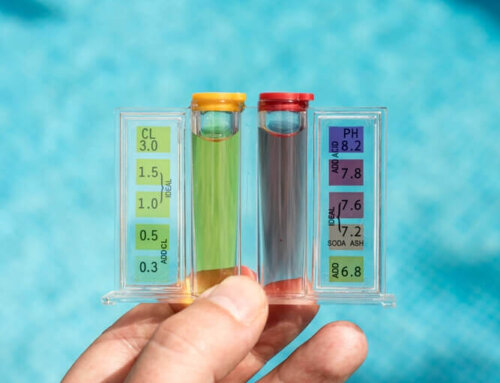
Sanitizers work best within a narrow pH range. When pH drifts too high or too low, chlorine becomes less effective, even if test readings appear acceptable.
Weekly testing and adjustment help maintain:
- Effective disinfection
- Comfortable water feel
- Reduced corrosion or scaling
- Consistent swimmer safety
Stable pH is one of the strongest foundations of pool hygiene.
Why Visual Cleanliness is Not Enough?
Clear water does not guarantee hygienic conditions. Bacteria and pathogens are invisible to the naked eye. A pool may look inviting while harboring unsafe conditions.
Weekly cleaning focuses on measurable factors such as chemical balance, filtration performance, and surface cleanliness rather than relying on appearance alone.
Biofilm: The Hygiene Problem You Cannot See
Biofilm is a slimy layer of microorganisms that clings to pool surfaces. It protects bacteria from sanitizers and allows them to multiply.
Weekly brushing:
- Breaks up biofilm
- Exposes bacteria to chlorine
- Prevents slippery surfaces
- Improves overall sanitation
Ignoring biofilm allows hygiene issues to persist even in clear water.
Circulation and Hygiene Go Hand in Hand
Sanitizers must reach every part of the pool to remain effective. Poor circulation creates stagnant zones where bacteria can thrive.
Weekly service ensures:
- Proper return jet direction
- Efficient skimmer operation
- Balanced water movement
- Even sanitizer distribution
Good circulation turns chemicals into active hygiene tools rather than passive additives.
Filters and Microscopic Contaminants
Filters trap particles too small to see but large enough to irritate skin and eyes. When filters clog or operate inefficiently, these particles remain suspended.
Weekly monitoring helps by:
- Identifying pressure changes early
- Preventing debris overload
- Supporting consistent water clarity
Clean filtration improves hygiene at a microscopic level.
Hygiene Risks From Infrequent Cleaning
Extended gaps between cleanings allow small issues to grow. Contaminants multiply, surfaces collect residue, and chemical balance drifts.
Common hygiene risks include:
- Increased bacteria levels
- Algae spores are gaining a foothold
- Sanitizer inefficiency
- Strong odors
Weekly cleaning minimizes these risks through steady upkeep.
Swimmer Health and Comfort
Poor hygiene directly affects swimmers’ well-being. Skin irritation, red eyes, and respiratory discomfort often signal contamination or imbalance.
Weekly cleaning promotes:
- Gentle water conditions
- Reduced irritant exposure
- Consistent sanitation
Comfort becomes a reliable standard rather than a variable outcome.
Hygiene Challenges After Rainfall
Rain introduces pollutants and dilutes sanitizer levels. Pools that are not serviced promptly after rain may experience hygiene setbacks lasting days.
Weekly schedules restore balance quickly, preventing prolonged contamination and bacterial growth.
High-Use Pools Need Higher Hygiene Standards
Pools used frequently accumulate contaminants faster. Each swimmer adds organic matter that must be removed or neutralized.
Weekly cleaning supports high-use environments by:
- Maintaining sanitizer strength
- Preventing bacterial buildup
- Preserving water clarity
Infrequent service often struggles to keep up without additional intervention.
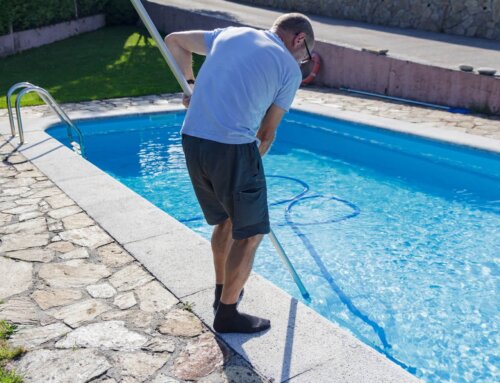
The Role of Weekly Vacuuming
Debris that sinks to the bottom does not disappear. It breaks down into fine particles that feed bacteria and algae.
Weekly vacuuming:
- Removes organic waste
- Reduces nutrient availability
- Prevents staining
This physical removal is essential for maintaining hygienic conditions.
Why Shock Treatments Alone Fall Short?
Shock treatments oxidize contaminants but do not remove them. Without frequent cleaning, contaminants return quickly.
Weekly cleaning reduces reliance on shock by preventing buildup in the first place, supporting consistent hygiene rather than reactive fixes.
Pool Hygiene and Odor Control
Persistent odors are a sign of contamination, not cleanliness. Weekly maintenance removes odor-causing compounds before they accumulate.
Fresh-smelling water often reflects proper hygiene rather than added fragrances or chemicals.
The Hygiene Cost of Skipped Maintenance
Skipping cleanings may seem harmless, but hygiene declines quickly. Bacteria multiply faster than many expect, especially in warm water.
Weekly schedules reduce risk by limiting how long contaminants remain in the pool.
Hygiene Benefits for Children and Seniors
Sensitive populations are more affected by poor water conditions. Weekly cleaning provides:
- Lower bacterial exposure
- Reduced chemical irritation
- Safer swimming conditions
Consistent hygiene supports all age groups.
Surface Hygiene and Long-Term Protection
Contaminants left on surfaces can stain, discolor, or degrade finishes. Weekly brushing and cleaning protect both hygiene and structural integrity.
Clean surfaces resist bacteria more effectively than neglected ones.
The Hygiene Role of Balanced Calcium and Alkalinity
Chemical balance extends beyond chlorine and pH. Calcium hardness and alkalinity affect sanitizer stability and surface condition.
Weekly monitoring ensures these levels support hygienic water rather than undermining it.
Comparing Weekly Cleaning to Less Frequent Care
Weekly Cleaning Supports:
- Consistent sanitation
- Lower bacteria levels
- Reduced odors
- Stable chemical balance
Less Frequent Cleaning Often Leads To:
- Hygiene fluctuations
- Reactive chemical use
- Higher contamination risk
Consistency is the defining factor.
Hygiene and Energy Efficiency
Clean water flows more easily through filters and pumps. Weekly maintenance reduces strain, supporting efficient operation while maintaining hygiene.
Efficient systems distribute sanitized water more effectively.
Why Hygiene Is a Preventive Strategy?
Hygiene-focused care prevents problems before they surface. Weekly cleaning treats the cause rather than the symptoms.
This approach reduces emergency treatments and supports steady pool conditions.
Signs Hygiene Is Slipping
Watch for these indicators:
- Strong chemical smell
- Slimy surfaces
- Persistent cloudiness
- Swimmer discomfort
These signals often appear when the cleaning frequency is insufficient.
Weekly Cleaning as a Hygiene Standard
Weekly maintenance aligns with how quickly contaminants enter the pool. It provides a rhythm that supports safe, clean water without extremes.
Hygiene thrives on regularity, not occasional correction.
Long-Term Hygiene and Pool Value
Pools maintained with consistent hygiene retain their appeal and functionality. Surfaces last longer, equipment performs better, and swimmers remain confident.
Weekly cleaning protects both health and investment.
Conclusion
Pool hygiene is not a luxury or an aesthetic preference. It is a practical requirement shaped by daily contamination and chemical change. Weekly cleaning keeps these factors under control, creating water that is safe, comfortable, and dependable.
When hygiene becomes the focus, weekly maintenance stands out as the schedule that supports prevention, consistency, and long-term pool health.
Share this article
Related Posts


A quick overview of the topics covered in this article.
- What Pool Hygiene Really Means?
- Why Contaminants Accumulate Faster Than Expected?
- The Hidden Threat of Chloramines
- pH Stability and Hygienic Water
- Why Visual Cleanliness is Not Enough?
- Biofilm: The Hygiene Problem You Cannot See
- Circulation and Hygiene Go Hand in Hand
- Filters and Microscopic Contaminants
- Hygiene Risks From Infrequent Cleaning
- Swimmer Health and Comfort
- Hygiene Challenges After Rainfall
- High-Use Pools Need Higher Hygiene Standards
- The Role of Weekly Vacuuming
- Why Shock Treatments Alone Fall Short?
- Pool Hygiene and Odor Control
- The Hygiene Cost of Skipped Maintenance
- Hygiene Benefits for Children and Seniors
- Surface Hygiene and Long-Term Protection
- The Hygiene Role of Balanced Calcium and Alkalinity
- Comparing Weekly Cleaning to Less Frequent Care
- Hygiene and Energy Efficiency
- Why Hygiene Is a Preventive Strategy?
- Signs Hygiene Is Slipping
- Weekly Cleaning as a Hygiene Standard
- Long-Term Hygiene and Pool Value
- Conclusion