How Pool Professionals Tackle Hard Water and Calcium Buildup Effectively?
Pools offer a refreshing escape and a central point for recreation, but hard water and calcium buildup present recurring challenges that affect water quality, surface integrity, and equipment performance. Even careful pool owners often struggle to maintain balance when mineral deposits accumulate over time. Areas like pool cleaning in Pinellas County FL, experience unique water conditions that can accelerate calcium scaling and make hard water management a frequent necessity.
Hard water occurs when water contains high concentrations of calcium and magnesium. Over time, this mineral-rich water leaves deposits on pool surfaces, plumbing, heaters, and filters. Calcium buildup not only alters the aesthetic appeal of the pool but can also interfere with water circulation, chemical balance, and even damage pool equipment if left untreated. Pool professionals use a combination of chemical treatments, mechanical cleaning, and preventative strategies to manage these issues effectively.
Identifying Hard Water and Calcium Buildup
The first step is recognizing the warning signs:
- White, chalky deposits on tiles, ladders, and steps
- Cloudy water that resists standard chemical adjustments
- Scaling on pool equipment, including heaters and pumps
- Rough or gritty surfaces on plaster, fiberglass, or concrete
Professionals routinely perform water hardness testing using both electronic devices and traditional chemical kits. This allows them to quantify calcium levels and determine the severity of buildup before deciding on the proper treatment approach.
Chemical Approaches to Dissolve Calcium Deposits
Pool technicians rely on specialized chemicals to address calcium buildup without damaging surfaces:
- pH Adjustment – Raising or lowering the pool’s pH can prevent further scaling.
- Sequestering Agents – These bind calcium and metals, keeping them in solution and preventing new deposits.
- Calcium Removers – For stubborn scale, professionals use controlled acid-based treatments to dissolve hardened calcium.
Best Practices:
- Apply chemicals gradually and monitor water parameters closely.
- Avoid mixing incompatible chemicals to prevent cloudiness or corrosion.
- Schedule treatments during low pool usage to ensure safety.
Mechanical Methods for Surface Cleaning
Chemical treatments are often paired with mechanical cleaning techniques:
- Brushing: Using soft to medium brushes on tiles, steps, and walls to loosen deposits.
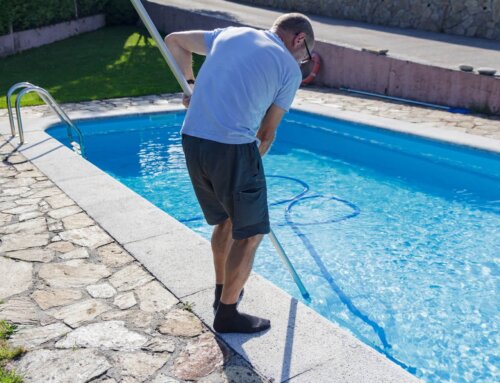
- Vacuuming: Collects debris and dislodged calcium particles.
- Pressure Washing: For extreme cases, a professional-grade pressure washer removes stubborn scale from concrete or plaster surfaces.
Professionals choose cleaning methods based on surface type, mineral hardness, and severity of buildup to avoid scratching or etching delicate pool finishes.
Equipment Care and Maintenance
Hard water and calcium deposits can significantly impact pool equipment. Pumps, heaters, and filtration systems often experience reduced efficiency if scale accumulates inside pipes or on critical components.
Equipment-focused actions include:
- Regular inspection of pump seals and impellers
- Descaling heaters to prevent overheating or damage
- Flushing filters to remove trapped mineral particles
- Monitoring flow rates to detect blockages caused by deposits
Routine maintenance ensures equipment longevity and prevents costly replacements.
Preventing Future Calcium Buildup
Prevention is as important as treatment. Pool professionals implement strategies to reduce recurrence:
- Water Softening Techniques – Using pre-treatment or water conditioners to reduce hardness before it enters the pool.
- Balanced Chemical Levels – Maintaining optimal pH, alkalinity, and calcium hardness prevents precipitation.
- Regular Cleaning Schedule – Consistent brushing and skimming prevent mineral accumulation on visible surfaces.
- Sequestering Agents in Routine Use – Adding small doses regularly helps control calcium in the water.
- Monitoring Environmental Factors – Rainwater, irrigation systems, and local water sources contribute to hardness and must be considered.
Signs Calcium Management Is Needed
Even with preventive measures, ongoing vigilance is necessary. Pool owners should look for:
- Increasing frequency of cloudy water
- Visible white or gray streaks on tiles or steps
- Difficulty maintaining proper water chemistry despite routine chemical dosing
- Reduced flow in plumbing or equipment
Prompt action prevents larger, more expensive problems and keeps pools safe and visually appealing.
Safety and Handling Considerations
Working with chemicals to manage hard water requires careful attention:
- Always wear gloves and eye protection when handling acids or sequestering agents
- Store chemicals in a cool, dry place away from children and pets
- Follow label instructions for dilution and application rates
- Ensure proper ventilation if treating indoor pools
Professionals also emphasize gradual treatment to avoid shocking the system and destabilizing water balance.
Case Scenarios Professionals Encounter
- Heater Scaling: Mineral deposits inside heaters reduce efficiency, increase energy costs, and can trigger damage sensors. Professionals dismantle heaters, remove scale, and adjust water chemistry to prevent recurrence.
- Tile Etching: Acidic conditions or high calcium content can etch tiles. Controlled acid washes, brushing, and sequestering agents restore surfaces.
- Filter Blockage: Hard water leaves fine particles that clog cartridges or sand filters. Flushing and chemical cleaning restore filtration efficiency.
These scenarios illustrate how a combination of chemical and mechanical solutions ensures long-term pool health.
The Importance of Local Expertise
Environmental factors, such as water source, local mineral content, and weather patterns, influence hard water and calcium accumulation. In regions like Pinellas County, pool professionals understand these local conditions and adjust strategies accordingly. They also know which chemicals and techniques are most effective given regional water characteristics, ensuring consistent results without risking damage to pool surfaces or equipment.
Benefits of Professional Intervention
Engaging pool professionals for hard water management provides several advantages:
- Preventative Maintenance: Reduces long-term wear and tear on surfaces and equipment
- Optimized Water Chemistry: Ensures safe and comfortable swimming conditions
- Cost Efficiency: Avoids expensive repairs caused by untreated calcium buildup
- Time Savings: Professionals handle labor-intensive treatments quickly and safely
Even experienced pool owners recognize that certain treatments, especially involving strong chemicals or sensitive equipment, are better handled by trained technicians.
Share this article
Related Posts


A quick overview of the topics covered in this article.