
How Weekly Pool Cleaning Reduces Skin and Eye Irritation?
Swimming is meant to feel refreshing, not uncomfortable. When swimmers step out of the pool with red eyes, itchy skin, or a lingering chemical smell, the water is sending a clear message. These reactions are rarely caused by chlorine alone. They are usually the result of poor balance, organic buildup, and delayed maintenance. Cleaning frequency plays a quiet but powerful role in how gentle pool water feels on the body.
Many pools appear clean at a glance, yet still irritate. Clear water can still hold chloramines, bacteria, oils, and microscopic debris that disrupt comfort. For pool owners seeking weekly pool cleaning in Clearwater FL, irritation complaints are often the reason they begin reassessing their maintenance schedule rather than simply adjusting chemicals.
Why Skin and Eyes React to Pool Water?
Human skin and eyes are sensitive to changes in pH, sanitizer strength, and contaminants. When water drifts outside ideal ranges, it strips natural oils from the skin and irritates mucous membranes in the eyes.
Common triggers include:
- High or unstable chlorine levels
- Low or high pH
- Chloramines formed from used-up chlorine
- Bacteria and organic waste
- Poor circulation allows contaminants to linger
Weekly cleaning addresses these triggers before they reach levels that cause discomfort.
The Role of Chlorine Beyond the Smell
Chlorine itself is not the main cause of irritation. In fact, properly balanced chlorine protects swimmers. The sharp smell and burning sensation often blamed on chlorine usually come from chloramines.
Chloramines form when chlorine binds with sweat, urine, cosmetics, and body oils. These compounds:
- Reduce sanitizing effectiveness
- Cause strong odors
- Irritate eyes and skin
- Linger longer without proper removal
Weekly cleaning removes organic waste consistently, reducing chloramine formation and keeping sanitizer effective.
pH Balance and Its Direct Impact on Comfort
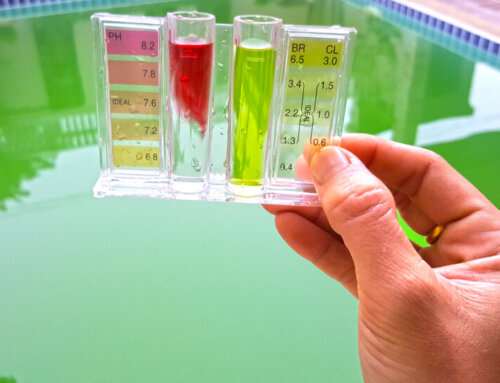
pH measures how acidic or alkaline the water is. Human eyes have a natural pH close to 7.4. When pool water strays far from this range, irritation becomes likely.
Effects of poor pH balance include:
- Burning or stinging eyes
- Dry, itchy skin
- Reduced chlorine effectiveness
- Increased scaling or corrosion
Weekly testing and adjustment keep pH within a narrow, comfortable range, preventing prolonged exposure to irritating conditions.
Organic Contaminants Build Faster Than Expected
Every swimmer introduces contaminants into the water. Sweat, sunscreen, lotions, hair products, and environmental debris all accumulate quickly.
Without frequent removal, these substances:
- React with chlorine
- Cloud water
- Create biofilms on surfaces
- Increase irritation risk
Weekly cleaning physically removes contaminants before they break down and cause chemical reactions that affect comfort.
How Weekly Brushing Supports Health?
Brushing is not only cosmetic. Pool walls, steps, and corners can harbor invisible biofilms that protect bacteria and algae.
Weekly brushing:
- Breaks down biofilm layers
- Improves sanitizer contact
- Reduces bacterial survival
- Prevents slippery surfaces
This mechanical action supports healthier water and reduces exposure to irritants.
Circulation Matters More Than Most Realize
Poor circulation allows contaminants to settle and linger in dead zones. Even with proper chemical levels, stagnant water can irritate swimmers.
Weekly service checks:
- Return jet direction
- Skimmer efficiency
- Pump performance
- Filter pressure
Balanced circulation ensures clean, treated water reaches every part of the pool, improving comfort throughout.
Filter Maintenance and Irritation Prevention
Filters remove fine particles that cloud the water and irritate the skin. When filters clog or operate inefficiently, contaminants remain suspended.
Weekly attention helps by:
- Monitoring pressure changes
- Removing trapped debris
- Maintaining proper flow rates
Cleaner water means fewer particles contacting eyes and skin during swimming.
Sunscreen Residue and Skin Sensitivity
Sunscreen protects skin, but it becomes a problem once it enters the pool. Oils and chemicals from sunscreen:
- Form surface films
- Bind with chlorine
- Increase chloramine production
Weekly cleaning removes these residues before they accumulate, helping maintain gentle water conditions.
Why Shock Treatments Alone Are Not Enough?
Shock treatments oxidize contaminants, but they are reactive rather than preventive. Relying on shock without frequent cleaning allows irritation-causing substances to build up between treatments.
Weekly maintenance reduces the need for heavy shocking by keeping contaminant levels low through regular removal.
Children and Sensitive Skin Considerations
Children often experience irritation faster due to more sensitive skin and longer water exposure. Consistent weekly care provides:
- Stable sanitizer levels
- Reduced bacteria exposure
- Lower chloramine presence
This consistency is especially important for families with young swimmers.
Eye Irritation and Water Clarity Connection
Eyes react strongly to microscopic irritants. Even when water looks clear, suspended particles can irritate sensitive tissue.
Weekly vacuuming and filtration support clearer water, not just visually, but at a microscopic level, improving comfort.
Pool Temperature and Chemical Interaction
Warmer water accelerates chemical reactions and bacterial growth. Heated pools require closer attention to prevent irritation.
Weekly cleaning adjusts chemistry in response to temperature changes, maintaining comfort despite faster reaction rates.
The Hidden Impact of Rain and Debris
Rain introduces contaminants, pollen, and dust while diluting sanitizer levels. Debris adds organic load.
Weekly service restores balance quickly after weather events, preventing prolonged exposure to irritating water.
Consistency Versus Correction
Irritation often stems from fluctuating conditions rather than a single imbalance. Weekly care provides consistency.
Benefits of consistent maintenance include:
- Predictable water feel
- Reduced chemical swings
- Lower irritation complaints
- Improved swimmer confidence
Stable water is gentler water.
Signs That Irritation Is Maintenance-Related
Watch for these indicators:
- Red eyes shortly after swimming
- Dry or itchy skin
- Strong chemical odor
- Complaints from multiple swimmers
When these signs persist, frequency often needs adjustment rather than more chemicals.
How Weekly Cleaning Supports Long-Term Skin Health?
Repeated exposure to poorly balanced water can worsen existing skin conditions. Weekly care minimizes exposure to irritants, supporting healthier swimming habits over time.
Benefits for Frequent Swimmers
Athletes, families, and regular swimmers spend more time in the water. Weekly cleaning ensures:
- Reliable comfort
- Reduced downtime due to irritation
- Confidence in water quality
This reliability matters for consistent pool use.
Comparing Weekly and Less Frequent Cleaning
Weekly Cleaning Supports:
- Stable pH and sanitizer levels
- Lower chloramine formation
- Cleaner surfaces and filters
- Reduced irritation risk
Less Frequent Cleaning Often Leads To:
- Chemical swings
- Higher contaminant buildup
- Reactive treatments
- Increased discomfort
Maintenance Frequency and Water Feel
Water feel is an overlooked indicator of quality. Smooth, soft-feeling water usually reflects proper balance and cleanliness.
Weekly maintenance preserves this feel by preventing buildup and imbalance.
Long-Term Cost of Ignoring Irritation
Persistent irritation often leads to overuse of chemicals, surface damage, and swimmer avoidance. Weekly care reduces corrective expenses by maintaining balance rather than chasing problems.
When Weekly Cleaning Becomes the Right Choice
Weekly schedules are especially beneficial for:
- Heated pools
- High swimmer loads
- Warm climates
- Pools exposed to debris
- Families with sensitive skin
These conditions accelerate contamination and chemical demand.
The Relationship Between Comfort and Confidence
Swimmers who trust water quality enjoy the pool more. Comfort builds confidence, encouraging regular use and better care habits.
Weekly cleaning reinforces this trust through consistency.
Conclusion
Skin and eye irritation are not inevitable parts of swimming. They are signals that water chemistry, cleanliness, and circulation are out of balance. Weekly pool cleaning addresses these factors together, creating an environment that feels clean, gentle, and inviting.
Rather than reacting to discomfort with stronger chemicals, adjusting frequency creates a more stable foundation. When water stays balanced, contaminants stay low, and surfaces stay clean, swimming returns to what it should be: refreshing, comfortable, and safe for everyone.
Share this article
Related Posts



A quick overview of the topics covered in this article.