Top 10 Pool Cleaning Mistakes and How to Prevent Costly Problems
Maintaining a pool can feel deceptively simple. The sparkling water, inviting surface, and relaxing atmosphere often hide the challenges of proper pool care. Many pool owners unintentionally make mistakes that affect water quality, equipment longevity, and overall safety. Whether your pool is in a residential backyard or part of a larger property, even small missteps can lead to bigger problems. This is especially relevant for those seeking professional help or services like pool cleaning in Pinellas County FL, where avoiding errors can save time, money, and frustration.
Top 10 Pool Cleaning Mistakes
1. Ignoring Regular Water Testing
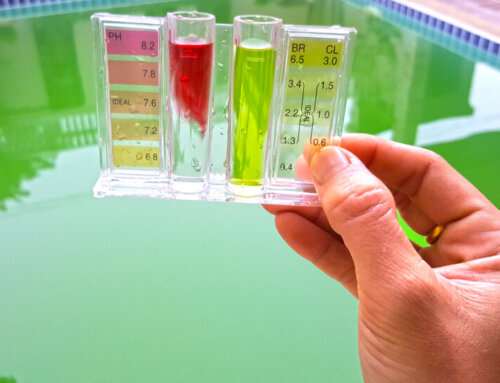
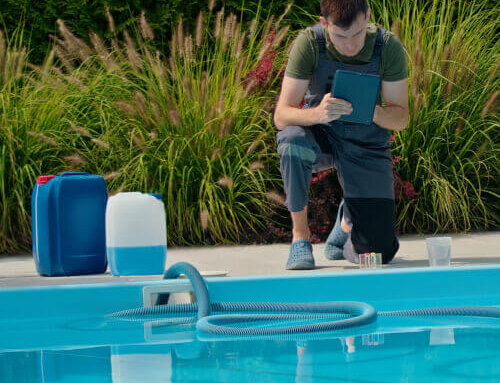
Water chemistry is the backbone of a healthy pool. Many owners underestimate the importance of consistent testing. Without monitoring pH, chlorine, alkalinity, and calcium hardness, problems such as cloudy water, scaling, or corrosion can develop quickly. Testing should be performed at least twice a week during heavy usage periods and weekly when the pool sees less activity.
Tip: Use both test strips for quick checks and liquid kits for more precise measurements.
2. Overlooking Filter Maintenance
Filters trap debris, oils, and other particles that can cloud water or damage equipment. Skipping backwashing or cleaning can reduce efficiency, forcing pumps to work harder. Mechanical strain can lead to costly repairs or early replacement.
Preventive Step: Follow a regular filter schedule. Sand filters need periodic backwashing, cartridge filters require washing every few weeks, and DE filters must be cleaned and replaced according to manufacturer instructions.
3. Using Incorrect Chemical Dosages
Applying too much or too little chlorine, algaecide, or pH adjuster can destabilize water balance. Over-chlorination irritates skin and eyes, while under-chlorination allows bacteria and algae to flourish.
Solution: Always measure chemicals carefully. Avoid adding multiple chemicals simultaneously to prevent dangerous reactions.
4. Neglecting Skimming and Vacuuming
Surface debris such as leaves, bugs, and pollen can quickly accumulate, especially in outdoor pools. Leaving debris to sit allows it to decompose, promoting algae growth and staining pool surfaces.
Checklist:
- Skim daily during peak season
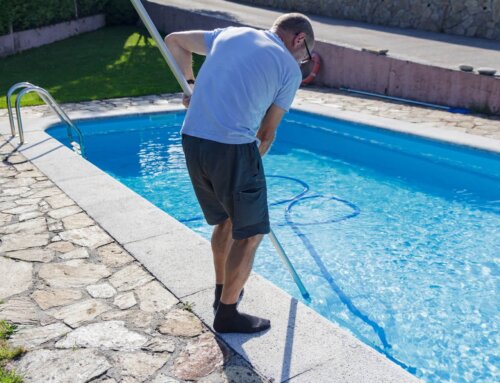
- Vacuum at least weekly
- Brush walls and steps to remove hidden dirt
5. Failing to Maintain Proper Water Levels
Water evaporation, heavy rainfall, or splashing can alter the pool’s water level. Low water can damage pumps, while high water can dilute chemicals and strain filtration.
Tip: Check levels regularly. Aim for the midpoint of the skimmer opening. Adjust gradually; sudden changes may shock the system.
6. Ignoring Pool Equipment Inspection
Pumps, heaters, and chlorinators require routine checks. Small leaks, worn seals, or broken timers often go unnoticed until they escalate into major malfunctions.
Routine Check:
- Inspect pump seals for cracks
- Check hoses and connections for leaks
- Listen for unusual noises in motors or filters
7. Underestimating Algae and Stain Prevention
Algae can appear in green, black, or mustard forms, each needing different treatments. Ignoring early signs leads to extensive chemical use and scrubbing. Stains from metals or organic matter are harder to remove if not addressed quickly.
Prevention:
- Regularly brush surfaces and corners
- Use algaecide in moderation
- Maintain balanced water chemistry
8. Overusing Shock Treatments
While shocking the pool is necessary occasionally, excessive use can destabilize water chemistry, harm swimmers, and damage equipment. Over-shocking often results from trying to compensate for other maintenance mistakes.
Tip: Only shock based on test results or after specific events such as heavy storms or high bather loads.
9. Disregarding Seasonal Changes
Pools react differently to temperature fluctuations and seasonal debris. Winter or off-season neglect can result in algae, debris accumulation, or equipment failure.
Seasonal Measures:
- Winterize pumps and heaters if unused
- Cover pools to prevent debris accumulation
- Adjust chemical doses for cooler temperatures
10. Failing to Keep a Maintenance Log
Even experienced pool owners can forget last cleaning dates, chemical doses, or filter cycles. Not recording these details often leads to repeated mistakes and overcorrection, which stresses water balance and equipment.
Tip: Maintain a simple log noting:
- Water testing results
- Chemical additions and amounts
- Cleaning and equipment maintenance dates
Extra Advice for Efficient Pool Care
- Always wear gloves and protective eyewear when handling chemicals.
- Keep a spare set of essential equipment like brushes, vacuum heads, and test kits.
- Educate family members or staff on basic pool safety and maintenance protocols.
Preventing these mistakes not only ensures a visually appealing pool but also enhances swimmer safety, reduces repair costs, and extends the life of your pool infrastructure. Even small adjustments, such as consistent monitoring or careful chemical handling, have a compounding positive effect.
Pools are investments in relaxation and lifestyle, but like any investment, they require attentive care. By addressing these ten common errors proactively, pool owners can maintain crystal-clear water, efficient systems, and a safe environment for everyone.
Share this article
Related Posts

A quick overview of the topics covered in this article.