How Professional Pool Cleaning Keeps Pools Safe, Clear, and Swim-Ready?
A clean pool invites relaxation, recreation, and confidence. Clear water reflects proper care, while a neglected pool signals hidden risks beneath the surface. Leaves, oils, bacteria, and mineral buildup accumulate faster than most owners expect. Without structured maintenance, even a visually clean pool can drift into unsafe territory. Professional care focuses on consistency, precision, and prevention—three factors that keep pools inviting from the first dip to the final swim of the season.
A professional pool cleaning service plays a critical role in keeping swimming environments safe and reliable, especially when water conditions shift due to weather, usage patterns, and environmental debris. Trained technicians approach pool care as a system rather than a checklist, addressing water balance, circulation, filtration, and surface integrity together.
The Science Behind Clean, Swimmable Water
Swimming pools operate as controlled ecosystems. Water chemistry responds to sunlight, temperature, bather load, and airborne contaminants. When chlorine levels drop or pH drifts, bacteria and algae gain momentum. Professional cleaning prevents these imbalances before they reach visible or hazardous levels.
Clean water depends on precise chemical relationships:
- pH balance affects swimmer comfort and chemical efficiency
- Sanitizer levels control bacteria, viruses, and algae
- Calcium hardness protects surfaces and equipment
- Total alkalinity stabilizes pH fluctuations
Professionals test and adjust these factors in sequence rather than in isolation. This order matters. Improper adjustments often cause chain reactions that reduce water clarity or irritate skin and eyes.
Why Visual Cleanliness Does Not Equal Safety?
A pool can look clear while harboring contaminants. Microscopic bacteria, combined chloramines, and organic waste do not always cloud water immediately. Swimmers may notice subtle signs first—strong odors, dry skin, red eyes, or slippery surfaces.
Professional maintenance addresses what the eye cannot detect. Routine testing reveals chemical imbalances long before they become visible problems. This proactive attention prevents closures, health risks, and costly corrective treatments later.
Filtration: The Unsung Hero of Swim-Ready Pools
Filtration systems remove fine debris that manual skimming cannot capture. Over time, filters clog, pressure rises, and circulation slows. Poor circulation allows contaminants to settle and multiply.
Professionals inspect and service filtration systems with accuracy:
- Backwashing sand or DE filters at the correct pressure range
- Cleaning cartridge filters without damaging pleats
- Inspecting pump baskets and seals
- Monitoring flow rates for efficiency
A well-maintained filter keeps water moving and evenly treated, which supports consistent sanitation throughout the pool.
Surface Care Protects More Than Appearance
Pool surfaces interact directly with water chemistry. Scale buildup, etching, and staining often signal chemical imbalance or circulation issues. Professional cleaning removes deposits safely without damaging finishes.
Different surfaces require specific techniques:
- Plaster benefits from gentle brushing to prevent algae adhesion
- Tile needs targeted scale removal along waterlines
- Vinyl liners require non-abrasive methods to prevent tearing
- Fiberglass demands careful polishing to preserve the gel coat
Surface care reduces slip hazards and prevents long-term structural deterioration.
Skimming and Debris Control as Preventive Maintenance
Leaves, insects, and pollen introduce phosphates and organic matter. These materials consume sanitizer and fuel algae growth. Skimming does more than improve appearance—it reduces chemical demand.
Professional routines remove debris before it sinks and decomposes. Technicians also empty baskets, inspect skimmer weirs, and confirm suction efficiency. This attention supports circulation and prevents pump strain.
Consistent Circulation Keeps Chemistry Even
Stagnant water invites imbalance. Dead zones allow algae to anchor and bacteria to multiply. Professionals adjust return jets and verify pump schedules to maintain even circulation.
Balanced circulation ensures:
- Sanitizers reach every corner
- Heat distributes evenly
- Chemicals mix properly
- Filtration works at full capacity
This behind-the-scenes work keeps water conditions stable even during heavy use.
Weather Challenges Demand Skilled Response
Rain, heat waves, and windstorms alter pool chemistry quickly. Rain dilutes sanitizer levels. Heat accelerates chlorine loss. Wind introduces dust and organic debris.
Professional cleaners respond with calibrated adjustments rather than guesswork. They account for dilution, evaporation, and temperature shifts. This measured response prevents overcorrection, which often creates more problems than it solves.
Algae Prevention Requires Timing and Technique
Algae thrives when conditions align—warm water, sunlight, nutrients, and low sanitizer. Once established, it clings to surfaces and resists basic treatment.
Professionals prevent algae through:
- Routine brushing of walls and steps
- Maintaining proper sanitizer residuals
- Managing phosphate levels
- Monitoring circulation patterns
Prevention avoids aggressive treatments that disrupt water balance and damage surfaces.
Equipment Health Directly Affects Water Quality
Pumps, heaters, chlorinators, and automation systems influence water conditions daily. Small malfunctions often go unnoticed until water quality declines.
Professional inspections catch early signs of trouble:
- Air leaks that reduce circulation
- Failing seals that introduce contaminants
- Heater scaling that reduces efficiency
- Sensor errors that misread chemistry
Early correction keeps pools swim-ready without unexpected downtime.
The Role of Accurate Testing
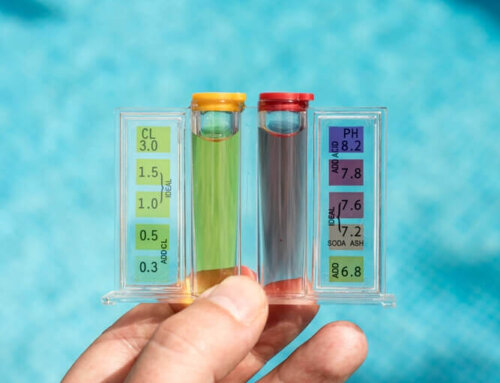
Test strips provide rough estimates. Professional testing uses calibrated tools that deliver precise readings. Accuracy matters when adjustments require balance rather than extremes.
Professionals follow structured testing sequences and log results over time. Trend tracking reveals patterns that single readings miss. This long-view perspective supports stability and predictability.
Health and Comfort for Swimmers
Balanced water protects more than pool infrastructure. It safeguards swimmers from irritation and illness. Proper sanitation reduces exposure to harmful microorganisms. Balanced pH prevents dry skin, burning eyes, and fading swimwear.
A professionally maintained pool encourages longer, safer use for families, athletes, and guests alike.
Time Efficiency and Reliability
Pool care requires consistency. Missed cleanings allow problems to escalate quickly. Professionals follow scheduled routines that align with pool size, usage, and environment.
This reliability removes guesswork and reduces emergency interventions. Owners gain confidence knowing their pool stays ready without constant monitoring.
Long-Term Cost Control Through Prevention
Reactive treatments often cost more than routine care. Algae outbreaks, stained surfaces, and damaged equipment demand intensive labor and materials.
Professional maintenance focuses on prevention:
- Stable chemistry reduces chemical waste
- Clean filters lower energy costs
- Early repairs avoid replacements
- Balanced water extends surface life
This approach protects both budgets and assets.
Commercial and High-Use Pool Considerations
Pools in shared environments face heavier bather loads and stricter health standards. Professional cleaning ensures compliance while maintaining visual appeal.
High-use pools benefit from:
- More frequent testing
- Adjusted sanitizer levels
- Enhanced filtration cycles
- Detailed record keeping
These practices support uninterrupted operation and public confidence.
What Sets Professional Care Apart?
Professional pool cleaning relies on training, repetition, and attention to detail. Each visit builds on the last. This continuity creates stable water conditions that casual care rarely achieves.
Key differences include:
- Structured chemical management
- Equipment awareness
- Surface-specific techniques
- Preventive mindset
Together, these elements keep pools consistently swim-ready.
Swim-Ready Means More Than Clear Water
A swim-ready pool supports health, comfort, and enjoyment without surprises. Professional care transforms maintenance from a reactive chore into a steady process that protects swimmers and structures alike.
When water remains balanced, equipment runs smoothly, and surfaces stay clean, pools invite confidence. That confidence turns a simple swim into a reliable experience, season after season.
Share this article
Related Posts

A quick overview of the topics covered in this article.
- The Science Behind Clean, Swimmable Water
- Why Visual Cleanliness Does Not Equal Safety?
- Filtration: The Unsung Hero of Swim-Ready Pools
- Surface Care Protects More Than Appearance
- Skimming and Debris Control as Preventive Maintenance
- Consistent Circulation Keeps Chemistry Even
- Weather Challenges Demand Skilled Response
- Algae Prevention Requires Timing and Technique
- Equipment Health Directly Affects Water Quality
- The Role of Accurate Testing
- Health and Comfort for Swimmers
- Time Efficiency and Reliability
- Long-Term Cost Control Through Prevention
- Commercial and High-Use Pool Considerations
- What Sets Professional Care Apart?
- Swim-Ready Means More Than Clear Water