
How to Clean a Green Pool Easily Without Stress or Confusion?
A green pool can feel overwhelming the first time you see it. What was once clear and inviting suddenly looks murky, unwelcoming, and sometimes even alarming. The green color is usually caused by algae growth, but the reasons behind it often go deeper than a single missed cleaning session. Weather shifts, poor circulation, chemical imbalance, and debris buildup all play a role. The good news is that restoring clarity is possible with patience, the right steps, and consistent follow-through.
Many pool owners first notice the change after heavy rain, extended heat, or a period of low maintenance. In areas where humidity and warmth stick around for long stretches, algae spreads fast, which is why people often compare DIY cleanup with professional pool cleaning services st. petersburg fl when the water turns stubbornly green. Still, for many situations, a hands-on approach works well when done correctly and thoroughly.
Why Pools Turn Green Faster Than Expected?
Green water rarely appears without warning signs. Cloudiness, slippery walls, or a faint odor often come first. Algae thrives when conditions line up just right.
Common contributing factors include:
- Low or ineffective sanitizer levels
- Poor water circulation
- Clogged or dirty filters
- Warm temperatures combined with sunlight
- Organic debris such as leaves, pollen, or grass
Once algae finds a foothold, it multiplies quickly. What looks slightly tinted one day can turn opaque within a short span if ignored.
Before You Start: Set the Right Expectations
Cleaning a green pool is not a quick splash-and-done task. It is a process that may take several days, depending on the severity. The water may look worse before it looks better, especially after shocking and brushing. That temporary cloudiness is part of algae dying off and being filtered out.
Approach the task with realistic timing, proper tools, and a willingness to repeat steps if needed. Skipping or rushing any phase often leads to algae returning sooner than expected.
Step One: Remove Large Debris First
Start with what you can see. Leaves, twigs, insects, and other debris consume chlorine as they break down. Leaving them in the water makes the rest of the process harder.
Use a leaf net or skimmer to remove as much debris as possible from the surface and bottom. If visibility is poor, move slowly and methodically across the pool floor. Clearing debris first improves chemical efficiency later.
Step Two: Test the Water Carefully
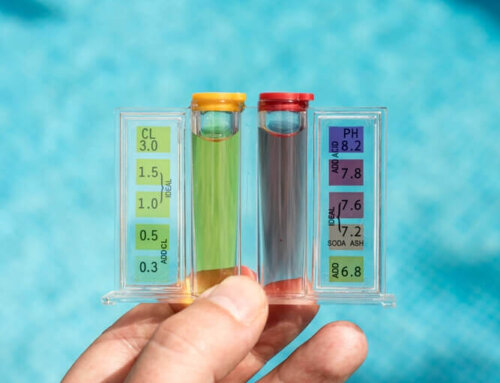
Accurate testing shapes every decision that follows. Use a reliable test kit or strips to check:
- Free chlorine
- pH level
- Alkalinity
- Calcium hardness
Green pools often show low free chlorine and off-balance pH. Algae thrives when sanitizer levels drop or when pH drifts too high.
Ideal ranges to aim for before heavy treatment:
- pH between 7.2 and 7.4
- Alkalinity around 80–120 ppm
Adjust pH and alkalinity before shocking. Shock works best when water chemistry supports it.
Step Three: Brush Every Surface Thoroughly
Brushing breaks algae loose from walls, steps, ladders, and corners where circulation is weak. This step is often underestimated, yet it makes a dramatic difference.
Use a brush appropriate for your pool surface:
- Nylon brushes for vinyl or fiberglass
- Stainless steel or combo brushes for plaster or concrete
Work methodically from top to bottom. Pay special attention to shady areas and seams where algae tends to cling.
Step Four: Shock the Pool Properly
Shocking introduces a high dose of sanitizer to kill algae and bacteria. Choose a chlorine-based shock suited to your pool type.
Key points for effective shocking:
- Shock in the evening to prevent sunlight from weakening chlorine
- Follow dosage instructions based on pool size
- Keep the pump running continuously afterward
Do not be alarmed if the water turns cloudy or even grayish. That reaction signals algae breakdown.
Step Five: Run the Filter Nonstop
Filtration removes dead algae and fine particles. After shocking, keep the pump running 24 hours a day until clarity returns.
Check the filter frequently:
- Backwash sand or DE filters when the pressure rises
- Rinse cartridge filters as they collect debris
A clogged filter slows progress, so maintenance during this phase matters.
Step Six: Vacuum Slowly and Patiently
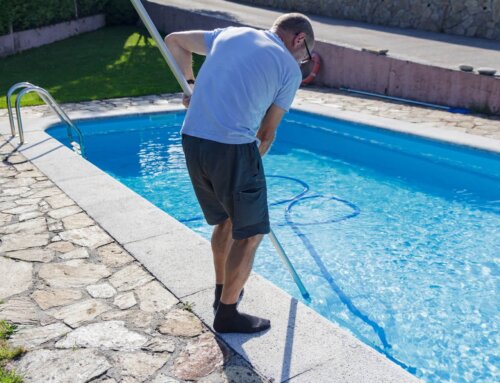
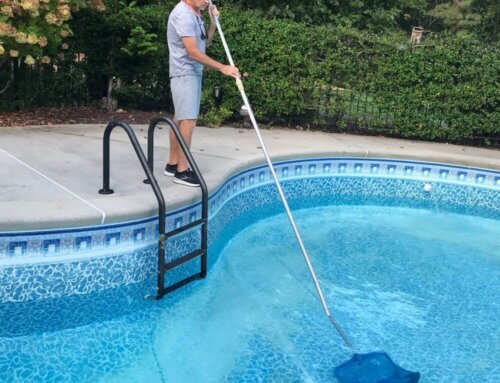
Once algae settles on the pool floor, vacuuming removes it from the system. Manual vacuuming offers more control than automatic cleaners during this stage.
Helpful vacuuming tips:
- Move slowly to avoid stirring debris
- Vacuum to waste if possible for heavy algae loads
- Refill water as needed after vacuuming the waste
Rushing this step often clouds the water again.
Step Seven: Rebalance the Water
After the algae is gone and clarity improves, retest the water. Shocking and filtration often alter chemical levels.
Focus on restoring balance:
- Adjust chlorine to the normal operating range
- Fine-tune pH and alkalinity
- Check stabilizer levels if chlorine dissipates quickly
Balanced water helps prevent algae from returning.
Common Mistakes That Slow Progress
Many pool owners unknowingly make choices that delay results. Avoiding these pitfalls saves time and frustration.
Frequent missteps include:
- Skipping brushing
- Shocking without adjusting pH
- Running the pump only part-time
- Ignoring filter pressure
- Adding multiple chemicals at once
Consistency and patience outperform shortcuts every time.
When Green Turns to Cloudy White or Blue
A green pool does not always clear straight to crystal clarity. Often it shifts through cloudy white or pale blue stages. This change means algae is dead but still suspended.
At this point:
- Keep filtering
- Brush lightly
- Use the clarifier only if needed and sparingly
Overuse of clarifiers can worsen cloudiness instead of fixing it.
Preventing the Next Algae Bloom
Once your pool is clean, prevention becomes the priority. Algae spores are always present, waiting for favorable conditions.
Simple habits that help:
- Test water weekly
- Maintain consistent chlorine levels
- Brush walls at least once a week
- Empty skimmer baskets regularly
- Run the pump long enough for full circulation
Small routines reduce the chances of repeating the process.
Seasonal Factors That Encourage Green Water
Certain times of year demand extra attention. Heat accelerates algae growth, while storms introduce debris and contaminants.
Be extra vigilant during:
- Prolonged heat waves
- Rainy periods
- Heavy pool usage
- Landscaping or nearby construction
Adjust maintenance frequency as conditions change.
Saltwater Pools and Green Water
Saltwater pools are not immune to algae. While the chlorine is generated differently, the same principles apply.
Salt pool owners should:
- Check salt cell function
- Monitor chlorine output
- Clean the cell if scaling appears
Green water in salt pools often points to low chlorine production rather than chemical imbalance alone.
Vinyl, Fiberglass, and Plaster Considerations
Different surfaces require different care levels. Vinyl pools show algae stains quickly but clean easily. Plaster may hold stains longer, while fiberglass resists adhesion but still needs brushing.
Match tools and chemicals to your pool surface to avoid damage while restoring clarity.
Safety Notes During Cleanup
Handling pool chemicals demands caution. Wear protective gloves and avoid mixing products.
Basic safety reminders:
- Add chemicals to water, not water to chemicals
- Store products in a dry, shaded area
- Keep children and pets away during treatment
Safety supports smoother progress without setbacks.
How Long Full Recovery Usually Takes?
Light green pools may clear within two to three days. Heavily infested pools may take a week or longer. The timeline depends on algae density, filtration efficiency, and adherence to each step.
Rushing rarely speeds things up. Steady effort produces lasting results.
Signs the Pool Is Truly Clean Again
Clear water alone is not the only marker. A fully recovered pool shows several signs:
- Sparkling clarity from the shallow to the deep end
- No slippery residue on walls
- Balanced chemical readings
- Fresh, neutral smell
When these align, normal maintenance can resume.
Conclusion
A green pool feels discouraging at first, but it is a fixable problem with the right approach. Each step builds on the one before it, turning murky water back into a safe, inviting space. Careful testing, thorough brushing, proper shocking, and steady filtration form the foundation of success. With patience and consistency, even heavily affected pools can return to clarity and stay that way longer.
Share this article
Related Posts
A quick overview of the topics covered in this article.